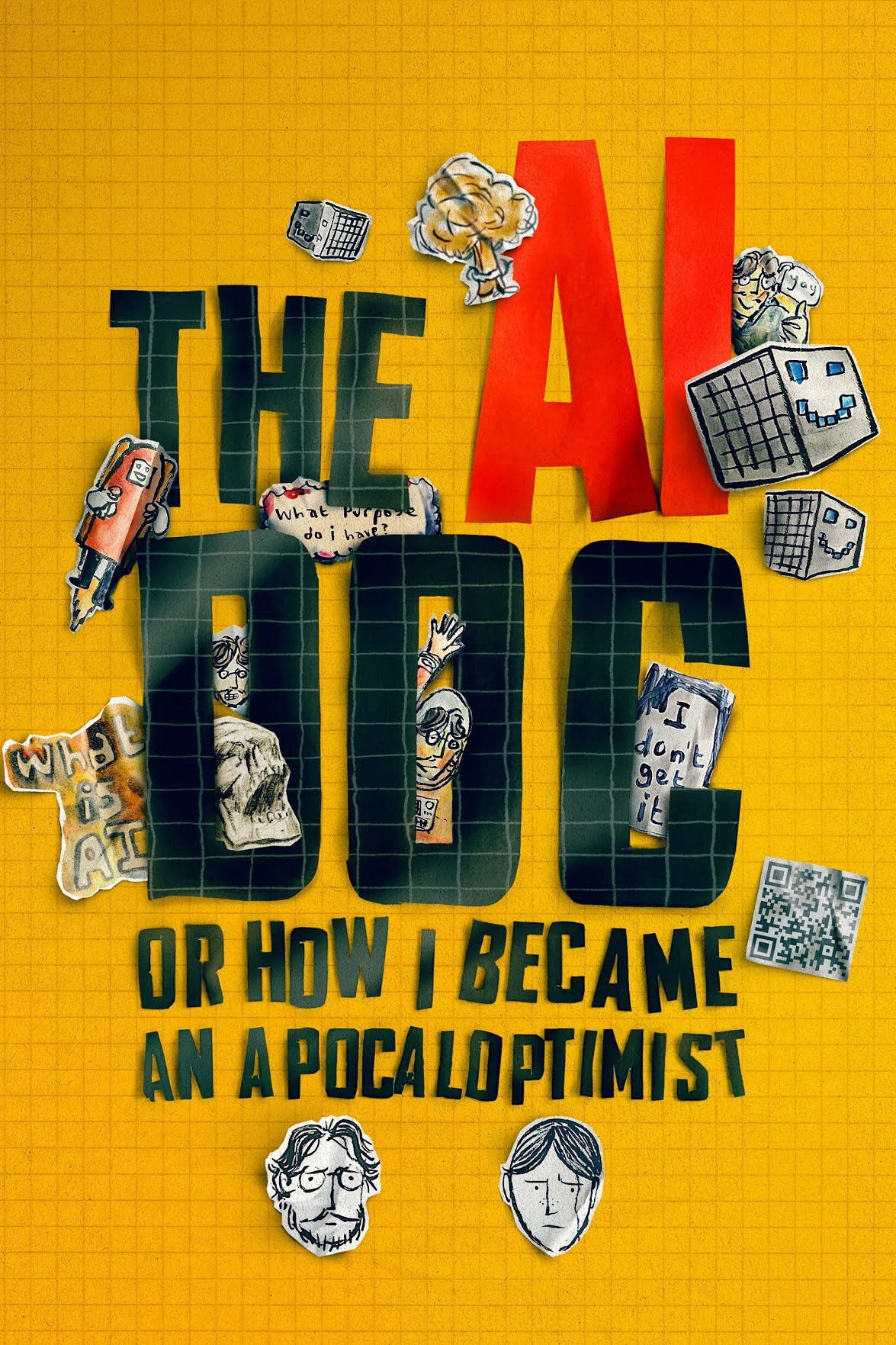
Genre: Documentary
Directed by: Daniel Roher, Charlie Tyrell
Starring: Sam Altman, Daniela Amodei
Platform: Theatrical
Release Date: March 27, 2026
By Stephen Lackey
“The film makes a compelling case that understanding A.I. isn’t optional. It’s essential.”
Artificial Intelligence, or A.I., has quickly become the modern boogeyman in the cultural zeitgeist, and not without reason. For some, it represents this generation’s version of a weapon of mass destruction. The new documentary THE A.I. DOC: OR HOW I BECAME AN APOCALOPTIMIST attempts to demystify this rapidly evolving technology through the perspective of a somewhat anxious new father. The film was a featured selection at the 2026 SXSW Film Festival.
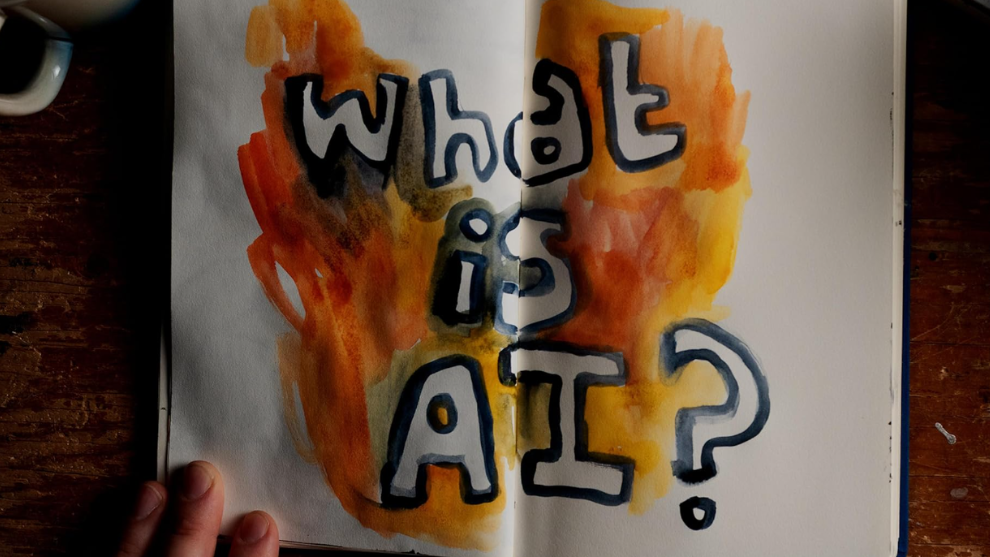
For the uninitiated, the most daunting aspect of A.I. is simply understanding what it actually does. The film wisely devotes its first act to defining the technology, tracing its history, and outlining its many applications. The explanations are clear, digestible, and often eye-opening. It’s striking how deeply A.I. has already embedded itself into everyday life, in such a short time. In its current, widely usable form, the technology is only about five years old, yet it’s advancing at an astonishing pace.
The directing team brings a blend of documentary, experimental, and narrative filmmaking that gives the project both credibility and a subtle narrative shape. Typically, inserting a filmmaker into a documentary can feel self-serving or intrusive, but here it works. He becomes a relatable conduit for the audience, asking questions that bridge the gap between technical complexity and philosophical weight. His impending fatherhood provides a natural throughline, grounding the film’s broader anxieties in something deeply personal. His concerns about his child’s future mirror those shared by many.
The film largely operates from a “Google Earth” vantage point, favoring sweeping, big-picture scenarios. It examines the displacement of human labor, the acceleration of medical advancements, and the spectrum of opinion surrounding A.I.’s future. Some interviewees speak in near-apocalyptic terms, fearing for their children’s very existence, while others envision a utopian world where A.I. handles the burdens of labor, freeing humanity to pursue…whatever comes next.
THE A.I. DOCdedicates significant time to environmental concerns, particularly theimmense energy demands required to sustain A.I. systems. Insights from industryheavyweights, including Sam Altman (OpenAI) and Daniela Amodei (Anthropic), alongsidehistorians and other notable voices. Just as telling, however, is who’s absent when the filmseeks out conversations with leaders of the largest A.I. companies. The director’s emotional oscillation between fear and optimism, and back again, feels authentic throughout. His wife, also a filmmaker, serves as a grounding presence, both on screen and, it seems, in their real-life dynamic. That relationship offers a compelling narrative thread, though the film could benefit from leaning into it more. As is, the documentary occasionally feels weighed down by a steady stream of interviews, lacking the forward momentum that a stronger personal narrative might provide.
One notable omission is the impact of A.I. on the arts. For a film so thorough in examining existential and economic implications, it’s surprising that it never meaningfully addresses how A.I. is reshaping filmmaking, music, design, and other creative fields. The absence is particularly ironic given the film’s own reliance on animation and graphic elements. Art is fundamental to human experience, and its transformation under A.I. feels worthy of at least a passing acknowledgment.

The filmmakers employ the Interrotron, a device developed by filmmaker Errol Morris that allows subjects to look directly into the camera while maintaining eye contact with the interviewer. It’s typically used to create a sense of intimacy, but that effect is undercut here by a lack of close-ups. Instead, the interviews adopt a sterile, almost portrait-studio aesthetic. Over time, this visual repetition becomes noticeable, especially given how much of the runtime is devoted to these segments.
Overall, THE A.I. DOC: OR HOW I BECAME AN APOCALOPTIMIST takes on an enormously complex subject and makes it accessible without oversimplifying it. The conversation is so current that even a film this recent can’t fully keep pace with the technology it examines. Still, its few shortcomings don’t overshadow its strengths. This isn’t niche discourse; A.I. will impact everyone. The film makes a compelling case that understanding A.I. isn’t optional. It’s essential.