
Genre: Documentary
Directed by: Nathan Fielder, Lance Oppenheim
Starring: Elizabeth Homes, Nathan Fielder, Billy Evans
Platform: Theatrical
Rating; 4/5
By Stephen Lackey
“YOU CAN SEE EVERYTHING leaves questions about its filmmaking as well as its subjects, but that lingering hesitation sits alongside enormous admiration.”
A three-hour documentary might sound like a commitment, but YOU CAN SEE EVERYTHING blazes by. Riveting, bizarre, and frequently jaw-dropping, Nathan Fielder and Lance Oppenheim’s film takes a story that seemingly everyone already knows and makes it completely unpredictable. Every time its direction starts to feel clear, something shifts, leaving even more questions about Elizabeth Holmes, Theranos, and just what the hell is happening in front of the camera. YOU CAN SEE EVERYTHING isn’t another survey of the events leading up to Elizabeth Holmes going to prison. While the film hits the important beats about Holmes’ fraudulent company Theranos, the film also assumes you already know about it. This film follows Homes and her family over the 34 days leading up to her starting her prison sentence.
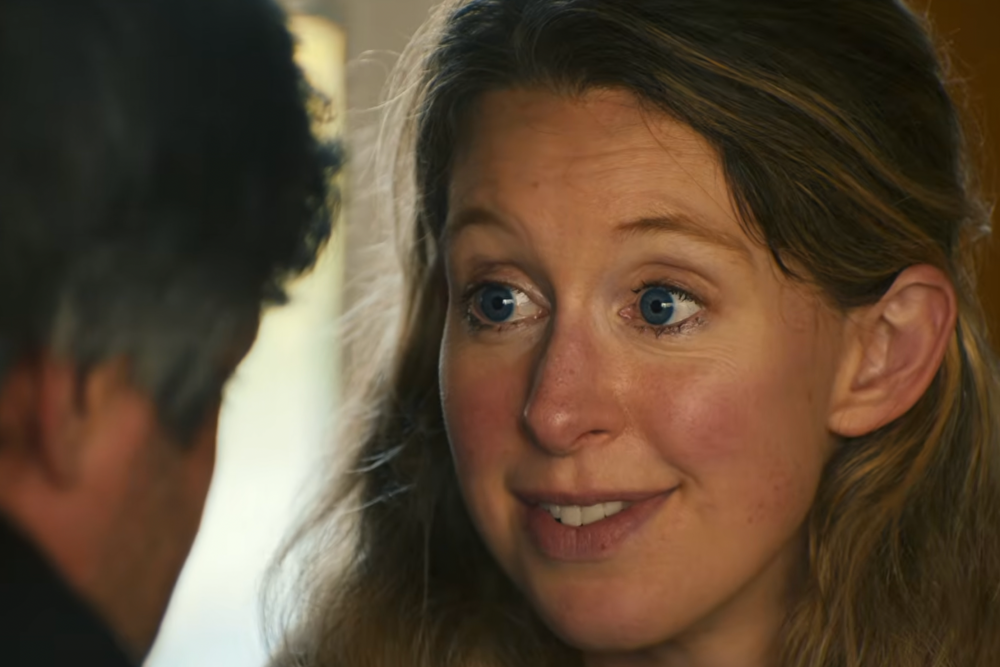
The marketing deserves some credit for preserving that experience. Holmes’ bizarre, socially awkward personality is enough to grab attention, particularly when paired with Fielder’s own deeply strange presence. Selling that combination without giving away what the story actually becomes was a brilliant decision. The less revealed beforehand, the better.
Together, Holmes and Fielder create some incredibly fascinating negative space. The pauses, the silences, and the moments when neither seems to know quite what to do with the other are riveting and often just unexplainable. There is something strangely compelling about watching two people interact when it can be difficult to tell whether either is behaving naturally. Sometimes it’s funny. Sometimes it’s uncomfortable. Often, it’s both.
From a documentary filmmaking perspective, however, that uncertainty raises questions beyond the people on screen. There is value in filmmakers remaining as invisible as possible, allowing subjects to exist without constantly reminding them that their lives are being turned into a film. A crew’s presence inevitably affects a space, and the larger or more intrusive that presence becomes, the more opportunity there is for behavior to become performance.
Oppenheim’s emphasis on cinematography and carefully controlled environments has long invited that concern. The images can be beautiful, but the setup required to achieve them can also influence the behavior being captured. Here, the care put into framing and lighting some of these conversations makes it difficult not to wonder how much the atmosphere has shaped what unfolds. When a conversation looks this deliberately arranged, how easily can the people participating forget the camera?
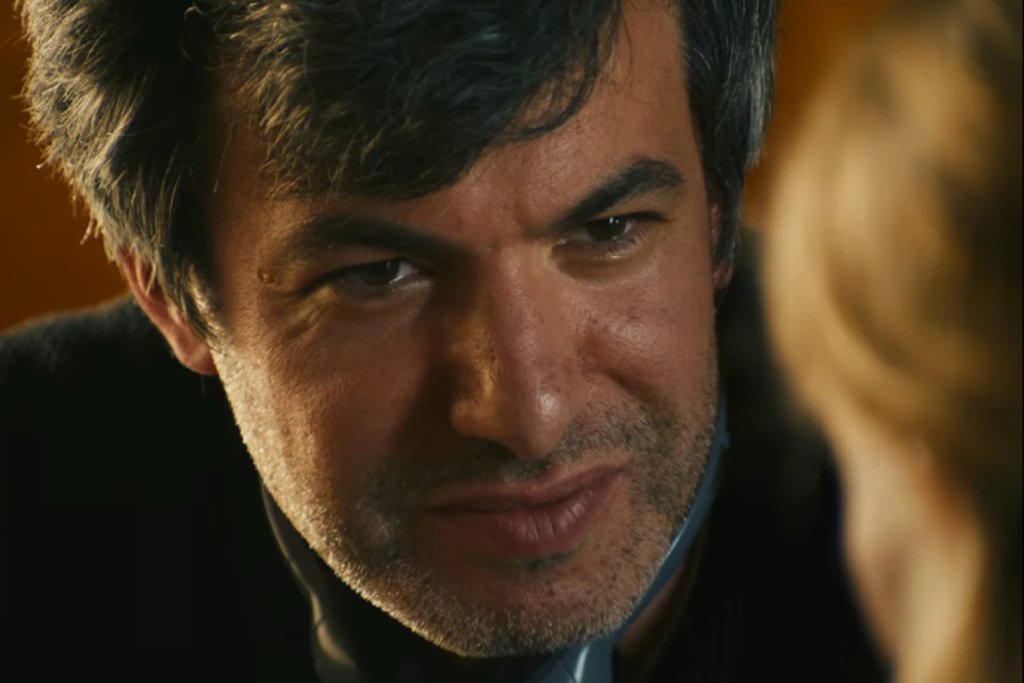
Fielder’s involvement complicates that question further. His presence within the film is necessary for reasons best left unexplained, but there are moments when his familiar awkwardness feels like a performance of its own. That leaves a small, persistent concern about how much everyone on both sides of the camera is contributing to the situation rather than simply documenting it. None of that automatically makes the moments false. It does make their authenticity harder to untangle.
Still, those concerns never diminish the sheer grip of the storytelling. There are plenty of seemingly unguarded character moments that are legitimately jaw-dropping, and the film continually finds ways to challenge whatever understanding seemed secure a few minutes earlier. Its gorgeous cinematography and excellent score make an already absorbing story even more compelling.
YOU CAN SEE EVERYTHING leaves questions about its filmmaking as well as its subjects, but that lingering hesitation sits alongside enormous admiration. This is one of the best films of the year: fascinating, beautifully crafted, and so full of unpredictable turns that three hours barely register. See it in a theater before someone spoils it.


