
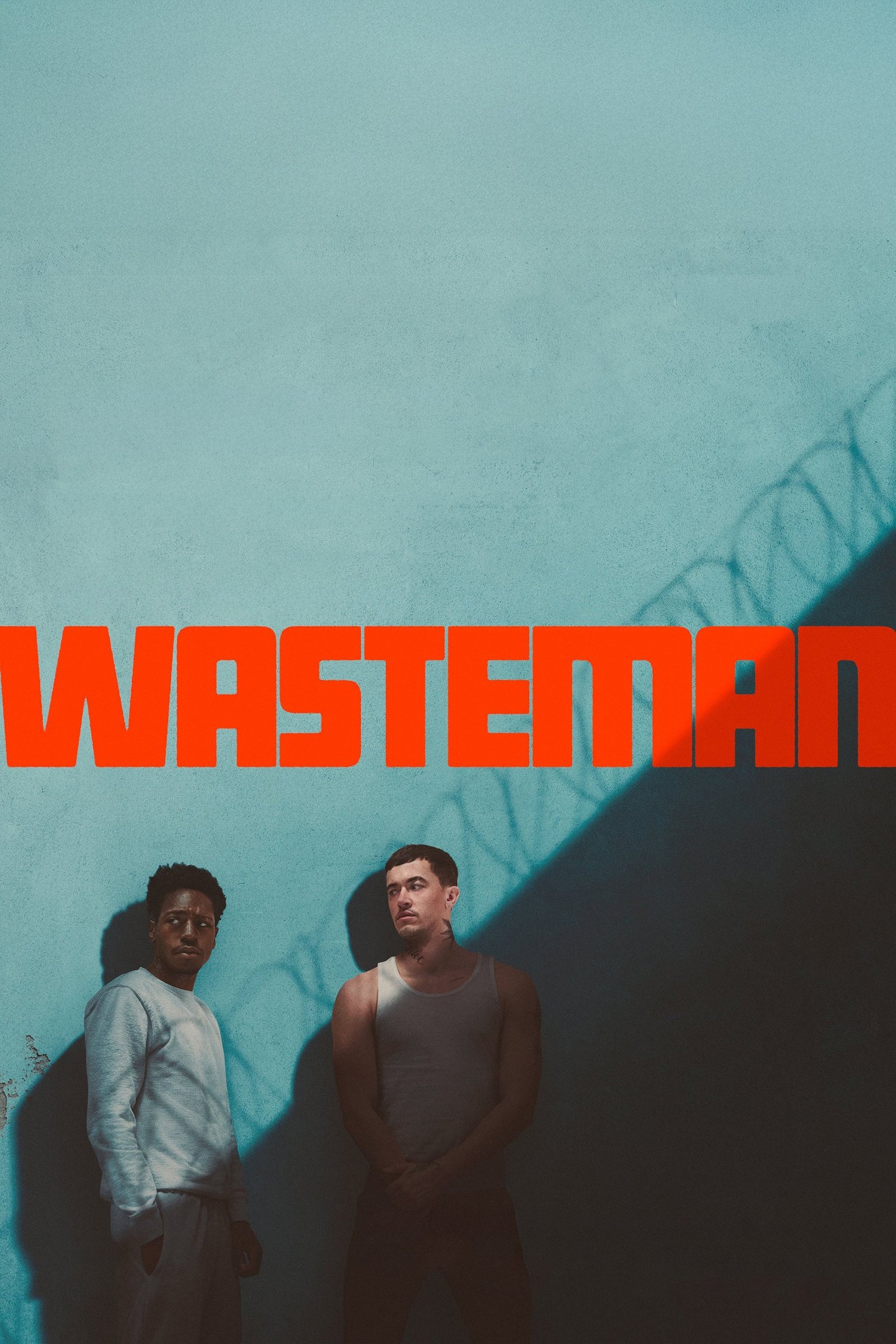
Genre: Crime, Thriller
Directed by: Cal McMau
Starring: David Jonsson, Tom Blyth, Alex Hassell
Release Date: April 17, 2026
Platform: Theatrical
Rating: 4.5/5
By Karl Simpson Jr.
“You can feel how quickly things could go wrong; how one bad choice could change everything.”
Going into WASTEMAN, I was drawn by the performances, and that’s exactly where it shines. From the start, Tom Blyth and David Jonsson’s commitment is clear. The film plays to their strengths, and it pays off. It never coasts on its premise. Everything remains grounded and tense, held together by performances that keep you invested.
The story follows a parolee trying to keep his head down and hold onto a fresh start. He’s doing what he can to stay out of trouble, but that sense of stability never feels secure. When a new cellmate enters his life, things shift gradually. The film builds pressure steadily and deliberately, until everything seems one bad decision away from falling apart.

Visually, the film pulls you in immediately with a gritty, worn-in look that makes the environment feel real and heavy. Cold greys and muted blues dominate the frame, giving the prison a drained, lifeless quality. There’s barely any light, and when it does break through, it feels weak, like it doesn’t stand a chance against the weight of it all. That atmosphere does more than just set the tone, it reinforces the feeling of being stuck. Even when there’s technically a way out, it never feels like a real option. The space itself feels oppressive, like it’s constantly closing in.
WASTEMAN effectively handles tension. It doesn’t need to spell things out. You can feel how quickly things could go wrong; how one bad choice could change everything. That sense of danger lingers in every scene, even the quiet ones, keeping you on edge without ever forcing it. The pacing plays a big role. The film knows when to slow down and sit in those quieter, more emotional moments, and when to push forward. When the violence hits, it doesn’t feel cheap or thrown in. It feels earned. And the film gives those moments space, so you’re not just watching them; you’re feeling the weight of them.
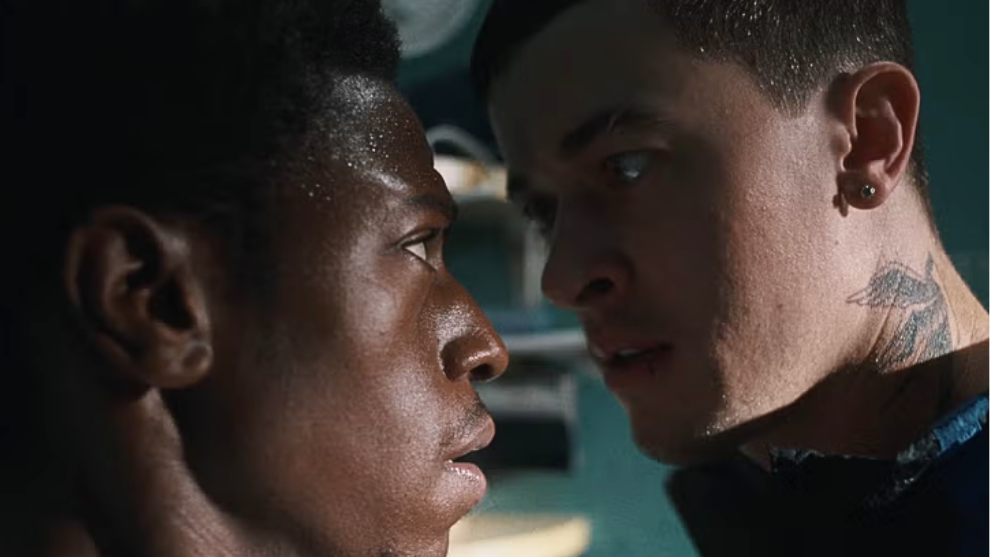
Performance-wise, this is where WASTEMAN truly shines. Blyth and Jonsson bring very different energies, and that contrast gives their scenes a real sense of life. Blyth carries a quiet intensity that builds over time, while Jonsson feels calm but unpredictable. When they share the screen, even the smallest interactions feel loaded.
At its core, WASTEMAN is a film about survival, and what that kind of pressure does to a person over time. It’s not just about prison or crime, but rather about trying to hold onto who you are in a place that keeps wearing you down. There’s a strong focus on identity, especially the idea of wanting to change, while being stuck in a system that keeps pulling you back.
Relationships reflect that struggle. They’re messy in a way that feels honest. The people who should offer support don’t always do that. Instead, they bring more pressure, more doubt, and more conflict. There’s a constant question hanging over everything: Who is this person, really? And can they actually change, or is that just something they tell themselves to get by? No easy answers are given, and that works in its favor.
WASTEMAN is grounded, tense, and driven by performances that carry real weight. It doesn’t rely on big moments or flashy storytelling. The movie focuses on character, atmosphere, and the impact of every decision. It’s not always an easy watch, but that feels right for this kind of story. If you’re looking for something character-driven and honest, there’s a lot here worth sitting with.

