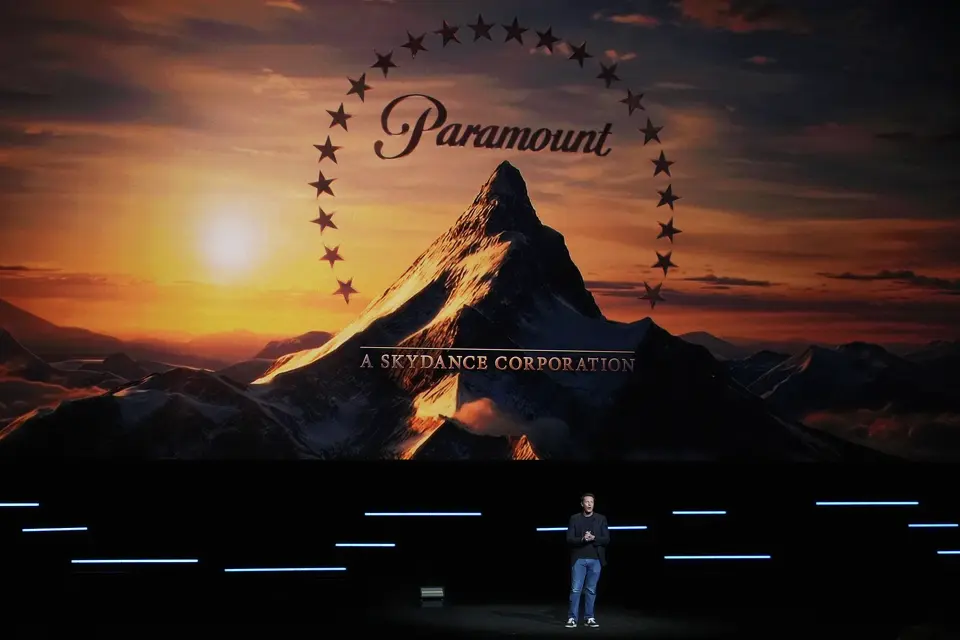
David Ellison took the stage at CinemaCon and made a series of promises that sounded, on paper, like exactly what exhibitors and filmmakers want to hear. If the Paramount/Warner Bros. merger goes through, he says the combined entity will produce roughly thirty films a year, each guaranteed the now-standard 45-day exclusive theatrical window. It’s a clean pitch. It’s also one we’ve heard before.
So why restate it now, and with this level of showmanship? Why bring out Tom Cruise, a Paramount mainstay and one of the last true theatrical evangelists, to visually co-sign the message? Because the industry isn’t buying in.
While Congress continues to scrutinize the deal, more than 2,000 members of the creative community have signed a public letter opposing it. That’s not fringe resistance. That’s a cross-section of the very people this merger claims to support.
On the surface, Ellison’s promises don’t feel outrageous. Of course a combined Paramount and Warner Bros. could release thirty films a year. Of course they could keep those films in theaters longer. In fact, with that kind of market share, they’d be in a position to dominate theatrical pipelines and lock in premium screens. That’s not the concern.
The concern is everything he didn’t promise.
He didn’t address what happens to competition. With fewer major studios in play, bidding wars for scripts, talent, and original ideas inevitably shrink. Rates stabilize, and not in a way that favors creators. Fewer buyers means fewer leverage points. That’s basic economics dressed up in studio branding.
He also didn’t address control over content availability. A merged catalog of this size doesn’t just create a powerhouse, it creates a gatekeeper. Limiting access, windowing strategically, or bundling content becomes less about audience demand and more about corporate strategy.
And then there’s the exhibitors. If one entity controls a disproportionate share of must-have content, theaters lose negotiating power. Programming becomes less about curation and more about obligation. When most of your slate comes from one source, you’re not really negotiating anymore. You’re complying.
Which makes Ellison’s CinemaCon appearance feel less like a confident roadmap and more like a carefully staged reassurance campaign. The promises are easy to make because they address the most visible concerns, theatrical windows and output volume, while sidestepping the structural implications of consolidation.
At the end of the day, this isn’t about whether thirty movies a year will get 45 days in theaters. It’s about what kind of industry is left standing once those movies arrive.