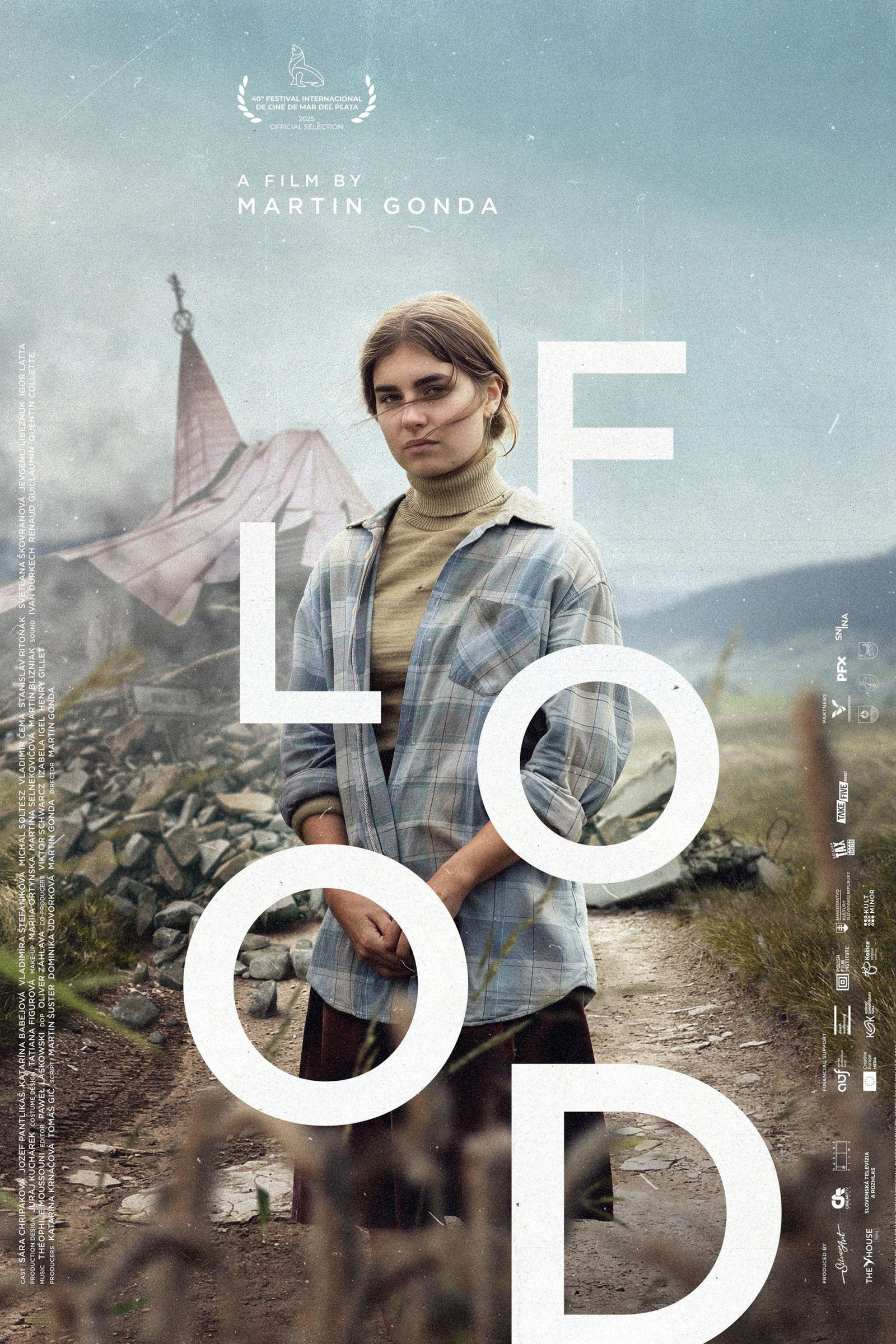
Genre: Historical Drama / Coming of Age / Political Drama
Directed by: Martin Gonda
Starring: Sara Chripakova, Joszef Pantlikas, Katarina Babejova
Release: TBD
Rating: 3.5/5
By Bryce Payne
“Progress demands sacrifice. The question is who gets to decide.”
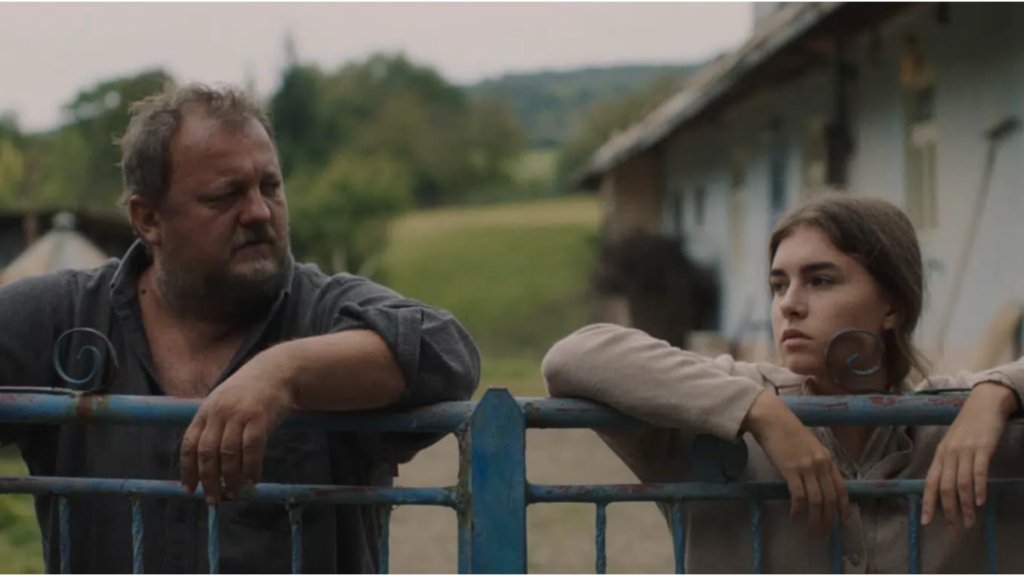
Slovakia has officially entered the Oscar conversation with its submission for the 99th Academy Awards Best International Feature category, bringing attention to Martin Gonda’s feature directorial debut, FLOOD. Premiering at the Festival Internacional de Mar del Plata in Argentina in November 2025, FLOOD is a powerful historical drama that uses one family’s personal struggle to explore themes of identity, cultural preservation, and the cost of progress.
Set in 1980s Czechoslovakia, the film follows Mara, a young Ruthenian girl who dreams of becoming the first female pilot in her community. Stuck in a village where generations have lived and died without ever leaving, Mara’s desire to escape becomes a personal battle, especially under the watchful eye of her father Alexander, who wants nothing more than for her to accept a traditional life working at a nearby shoe factory and helping maintain the family farm.
The life Mara is fighting against is one built around routine and survival. There is a sense that her village exists outside of time, where change rarely comes and dreams are often sacrificed for responsibility. Yet, no matter how hard Mara tries to convince her father that there is more waiting for her beyond their small community, he remains committed to preserving the life they know. That already fragile relationship becomes even more complicated when the government announces that their village has been selected for demolition to make way for a new reservoir.
As the deadline approaches, the villagers are forced to confront the reality that their home, their history, and their way of life are being taken away from them. Through community gatherings and tense discussions, it becomes clear that many residents are completely against the decision and want nothing more than to remain in the place their families have called home for generations. Alexander refuses to accept the inevitable, fighting against a system that has already made its decision. Meanwhile, Mara is forced to take matters into her own hands, making difficult choices for both herself and her father as she realizes that the future she wanted may come at the cost of leaving behind everything she has ever known.

At its core, FLOOD may appear to be a familiar coming of age story, but what separates it from others in the genre is the political weight constantly hanging over every moment. During the 1970s and 1980s, Slovakia was part of communist Czechoslovakia, a government system where large state projects often prioritized national interests over the voices of individual communities. The reservoir at the center of the film is the Starina Reservoir, a real project created to provide clean drinking water for Eastern Slovakia’s growing cities and industrial regions.
The consequences, however, were felt most heavily by the smaller rural communities that stood in its way. Seven villages were evacuated and eventually disappeared, wiping away places where people had lived for centuries. Homes, churches, and cultural landmarks were lost, leaving behind a complicated legacy of modernization and displacement. The Ruthenian communities that inhabited the region were especially impacted, losing not only their physical homes but pieces of a culture tied deeply to the land.
This is where FLOOD truly succeeds. The film does not simply look at the reservoir as a political decision; it examines what happens to the people forced to live with the consequences. By incorporating the Ruthenian language and culture into the story, Martin Gonda gives a voice to a community that has often been overlooked, preserving a piece of history that could easily have been forgotten. The film asks whether progress is worth the loss of identity, tradition, and community while also exploring the complicated reality of wanting to preserve the past while still longing for a different future.
FLOOD is a strong showing from Slovakia and an impressive debut from Martin Gonda. While its coming-of-age story may feel familiar at first, the historical and political layers elevate it into something much more impactful. It is a film that encourages viewers to look deeper into an event many may know nothing about, while reminding us that behind every major development or political decision are real people whose lives are forever changed. Flood is a thoughtful, emotional, and culturally important film that proves sometimes the stories buried beneath history are the ones most worth uncovering.