SXSW 2026 MOVIE REVIEW – MAM
Genre: Drama, Comedy, Documentary
Directed by: Nan Feix
Starring: Jerald Head, Nhung Dao Head, Henry Wong
Release: TBD – Premiered at SXSW 2026
Platform: TBD
Rating: 4.5/5
By Adam Khromachou
MAM is a celebration of community, culture, food, and the diversity that truly represents the American Dream. Blurring the lines between narrative and documentary filmmaking, the film offers a hero’s journey through the hustle and bustle of New York City’s Chinatown. Within the chaos of its setting, the viewer is immersed in rich Asian cultures and its culinary establishments from produce stands and spice shops to a vast selection of Asian cuisine that will make your mouth delightfully water with every gritty frame.
Filmmaker, Nan Feix, crafts unvarnished realism through a lens of inspiration from notable auteurs such as Wong Kar Wai and Jim Jarmusch. Feix tells a story through deep narrations and organic performances, all from real life individuals playing themselves. His vision stems from his fascination with the world’s scene of underground culinary establishments, or as he jokingly referred to during our interview, “illegal restaurants.”
The story follows Jerald Head, a real-life chef and restaurant owner playing himself. Hailing from small town Texas, he spent three years in Vietnam that he describes as a life changing, inspirational culinary journey. Eventually, he finds himself relocating to New York City, where the struggle begins. Working two jobs to make ends meet, one sees him employed by Chen (Henry Wong), a mysterious and strict restaurant owner, who refuses to let him help with the restaurant’s cooking, leading Jerald to secretly experimenting with different recipes after hours.
Chen’s search for a new chef sees Nhung enter Jerald’s life. A Vietnamese immigrant, she shares an apartment with her sister and her children. A silent chemistry erupts between the two, leading her to witness his true potential, opening up a charming romantic comedy element around the themes of support and belief, in what one can accomplish. Amid all these narrative elements, the realism of the film’s documentary undertones never lose grasp on the audience’s connection to its authenticity.
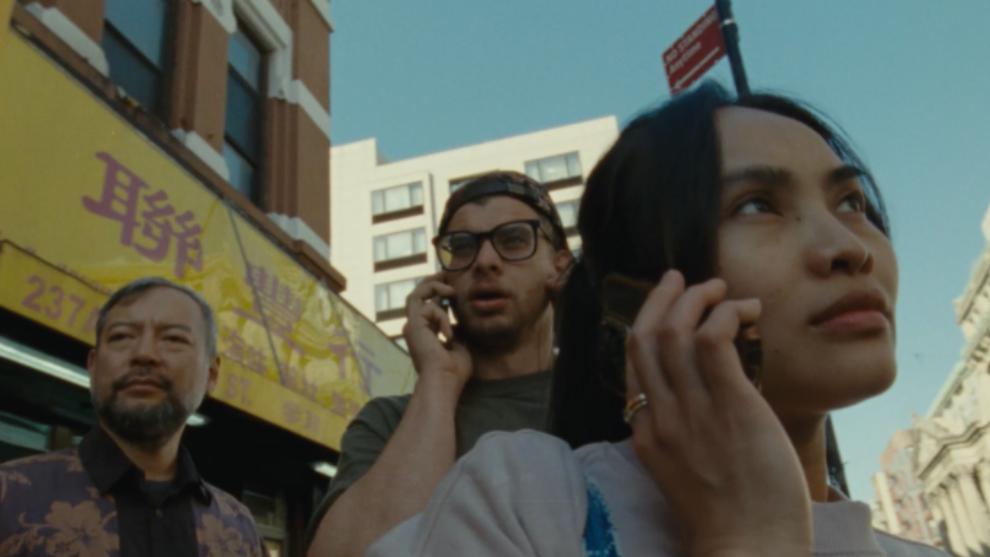
Nan Feix’s vision is one defined by authenticity. In the way that cooking is featured in the film aims to be as authentic as possible, so is the setting and body of personalities, in which the film exists. Feix shot MAM guerilla style with a six-person crew, featuring real residents of Chinatown and real businesses within the community. Background occurrences were not scripted, and real time scenes in Chinatown were filmed at different hours of the day, capturing the true spirit of what makes New York City, and America’s sprawling melting pot of urban civilizations so captivating. Everyone is unique and these differences are embraced, connected by the personalities, cultures, and unique qualities that bring these communities together into an existence all their own.
Feix’s approach to directing non-professional actors was to urge them to be who they are on a daily basis, without concern for the fact that they were being filmed. He feels that the audience best connects with characters they observe as everyday people, and their extraordinary accomplishments can be celebrated easier when there is a sense of relatability, which MAM’s characters genuinely are.
The American Dream isn’t just relegated to being wealthy or owning a mansion. It can be something as simple as owning a small restaurant and finding a community that appreciates what you’ve created. For Jerald, this is his American Dream. For Nhung, this same dream is what drew her to Jerald. One of the most heartfelt and wholesome scenes involves Chen, channeling one of the most iconic moments from Pixar’s Ratatoille. A moment that reminds us how culture and diversity connect us, and in the process represents the dream people move to the United States for.
MAM is a wholesome, beautiful look at what truly makes this country great. The idea that a community can be represented by various cultures and within this collective there is a sense of universal belonging. There are good days, bad days, struggles, and accomplishments. But at the end of each of those days, it’s the simple things that bond us. What MAM conveys to its audience is that no matter where we come from or what language we speak, our goals, ambitions, and our stories offer a universal sense of relatability.