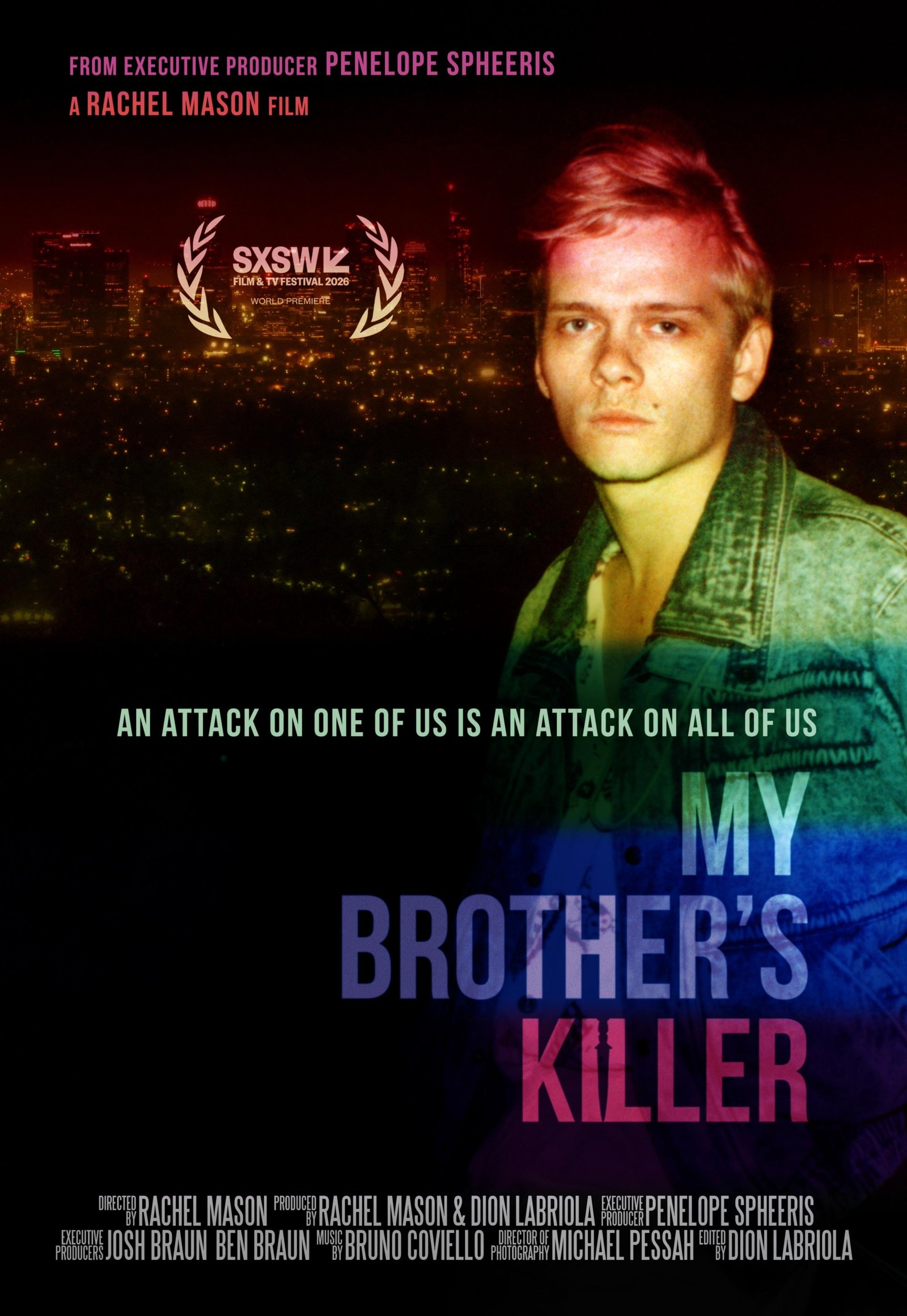
Genre: Documentary
Directed by: Rachel Mason
Release Date: TBD — Premiered at SXSW 2026
Platform: TBD
Rating: 4.5/5
By Bryce Payne
“Eye-opening, emotional, and rooted in survival.”
In 1990, a horrifying discovery was made, one that would haunt the community of West Hollywood for
decades, earning comparisons to the infamous Black Dahlia case, while remaining unsolved for more
than thirty years. Premiering at the SXSW Film & TV festival, Rachel Mason’s MY BROTHER’S KILLER
revisits the long-forgotten investigation.
Beginning as a look at queer life in West Hollywood during the late 80s and early 90s Mason quickly
shifts once Billy London’s name starts appearing again and again during interviews, pulling the film
towards a tragedy that never fully left the people who lived through it.
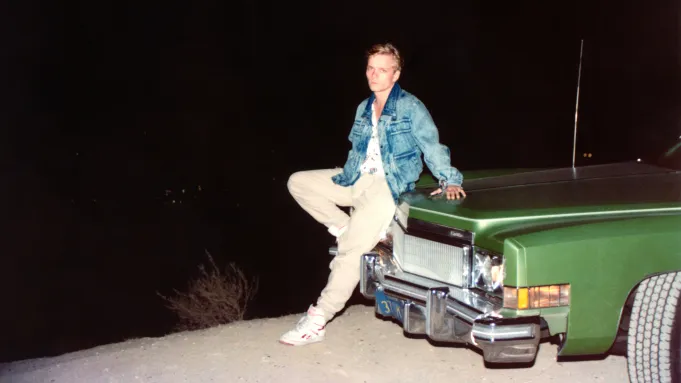
Through conversations with friends, coworkers, and adult film industry figures, a portrait of London
slowly starts coming into focus. Archival footage captures award shows, performances, and everyday
moments that reflect the vibrant culture of the time, while grounding the story in a community
devastated by the AIDS epidemic and systemized hate. That backdrop hangs over nearly every interview,
adding heavy emotional weight as memories of loss and survival begin to intertwine with the search for
answers.
As more voices enter the story, long overlooked connections begin to surface, and the film gradually
shifts toward something closer to an active investigation. Instead of lingering on the brutality of the
crime, the documentary sharpens its attention to London through memories of the life he was building
in Los Angeles, and the impact left behind.
MY BROTHER’S KILLER is a fascinating experience, built on firsthand accounts of London. The film
captures the enduring love within a community, and the profound impact one man had, even decades
later. It balances the heartache of unanswered questions with the relief of new details emerging from
stories of those once too afraid to those unaware they held key pieces of the truth. Mason handles the
subject with care and precision, showing deep respect for a man she never knew, yet feels known by the
end.
The film leaves a lingering sadness for those forced to hide who they were, alongside a quiet
appreciation for how far we’ve come. It’s eye-opening, emotional, and rooted in survival. It’s shaped by
people who lived through unprecedented times and helped change history.
The result is a powerful, deeply affecting documentary that works as both an investigation and an act of
remembrance. MY BROTHER’S KILLER captures a turbulent moment in queer history, while finally
bringing long-overdue