You can only watch A Christmas Story, Christmas Vacation, Elf, and It’s a Wonderful Life so many times before the holiday rotation starts to feel automatic. While those films endure for good reason, Christmas cinema does not begin and end with comfort and nostalgia. There are plenty of fantastic alternatives that celebrate the season while challenging what a Christmas movie is supposed to look like. Nearly every genre has something to offer when filmmakers take the holiday seriously as an emotional, social, or cultural pressure cooker rather than a decorative backdrop. Here are five great alternatives to the traditional holiday classics that promise a good time, great conversation, or both.
Die Hard
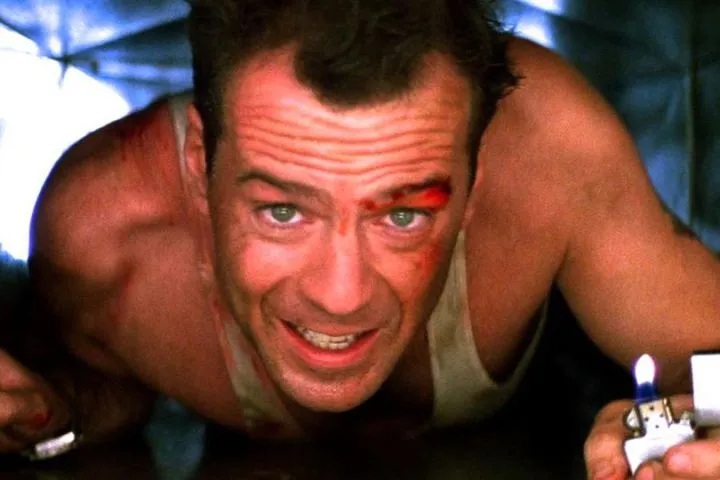
Die Hard is easily the most popular choice for anyone looking to celebrate Christmas with something a little different. The film is a holiday staple at arthouse theaters across the country. The debate over whether Die Hard is a Christmas movie is half the fun, but the answer is simple. It absolutely is.
At its core, the film is about a fractured family attempting to reconnect during the holidays. The setting is a Christmas party. The score is built around a Christmas classic. Holiday décor is not background texture but an active storytelling tool, used for tone, irony, and escalation. Even character details like Holly’s name are woven directly into the film’s seasonal framework.
Remove Christmas from Die Hard and the film collapses. The party that brings everyone together no longer exists. The emotional stakes disappear. The building is no longer full and vulnerable in the same way. The tension, the humor, and the emotional payoff all depend on the holiday context. Die Hard is not an action movie that happens to take place at Christmas. It is a Christmas movie that understands how to use action, spectacle, and suspense to heighten everything the season already brings with it.
Gremlins

Gremlins tells a deceptively simple story about a father giving his son the most unusual Christmas gift imaginable. That gift is an exotic creature called a Mogwai, and it comes with very specific rules. Naturally, those rules are broken, unleashing the chaotic and gleefully destructive Gremlins on a small town.
The film is drenched in Christmas imagery, but it is never content to play things straight. Beneath the creature-feature chaos is a story about a family struggling to stay afloat during a difficult holiday season. The humor is sharp, the violence is cartoonish, and the tone walks a careful line between festive fun and anarchic mayhem. Gremlins understands that Christmas cheer and emotional stress often coexist, which is why it remains one of the most inventive holiday films ever made.
Eyes Wide Shut
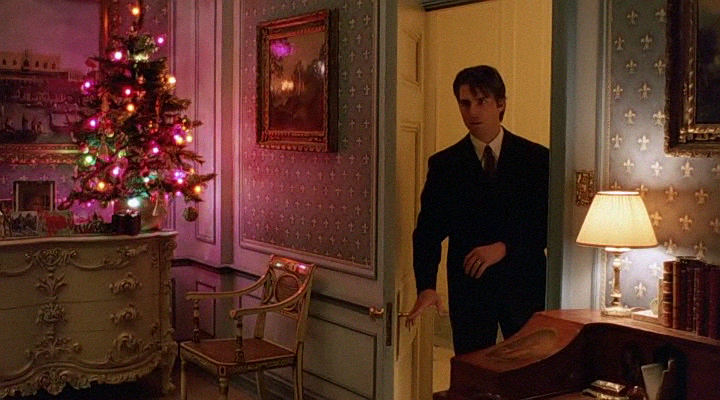
Sometimes Christmas calls for a little existential dread. Eyes Wide Shut is explicitly set during the holiday season, and the inciting incident that drives the film forward occurs at a Christmas party. Trees, lights, and festive décor dominate the film’s lighting and production design, bathing the story in a glow that is both warm and deeply unsettling.
The film follows a man whose wandering eye pulls him into a dangerous and surreal world of sexual power games and social hierarchies. Beneath the icy atmosphere are layers of commentary about marriage, desire, class, and control. Viewed through the lens of a holiday built on consumption, performance, and carefully maintained appearances, those themes become even more provocative. It is not comforting viewing, but it is a bracing reminder that Christmas can magnify uncomfortable truths as easily as it spreads cheer.
Black Christmas (1974)
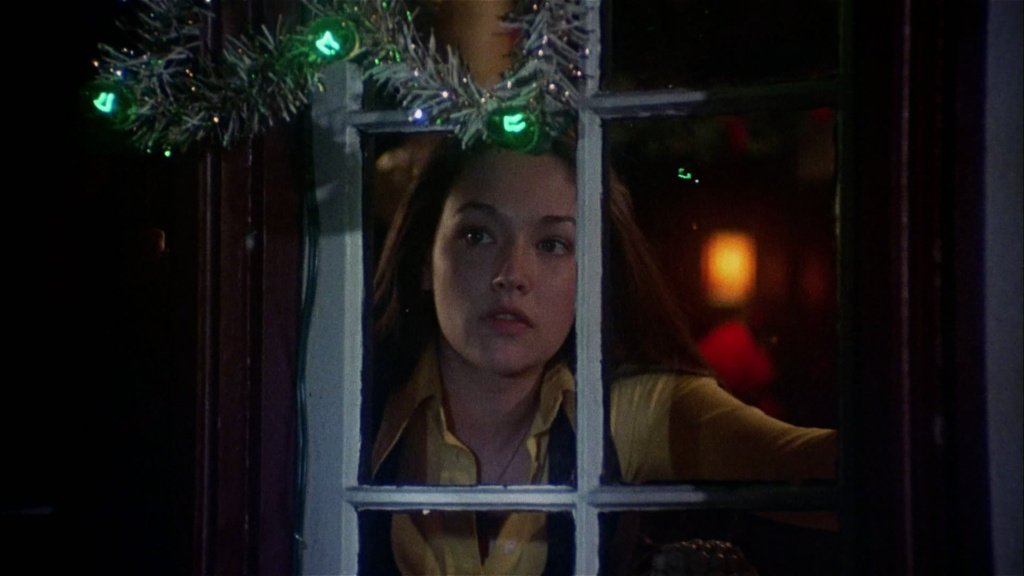
Not to be confused with its far inferior remakes, the original Black Christmas from 1974 is frequently cited as a foundational film for the modern slasher. It blends the intimacy of domestic thrillers with stylistic touches drawn from Italian giallo, creating a uniquely unnerving experience.
Set during Christmas break in a sorority house, the film uses seasonal absence to devastating effect. Decorated hallways feel isolated, authority figures are distant or dismissive, and danger is allowed to exist unchecked. Christmas music and carols play a crucial role in shaping the atmosphere, their warmth clashing violently with the horror unfolding on screen. The result is a film that turns the idea of holiday safety inside out, making it one of the most unsettling Christmas watches imaginable.
Trading Places
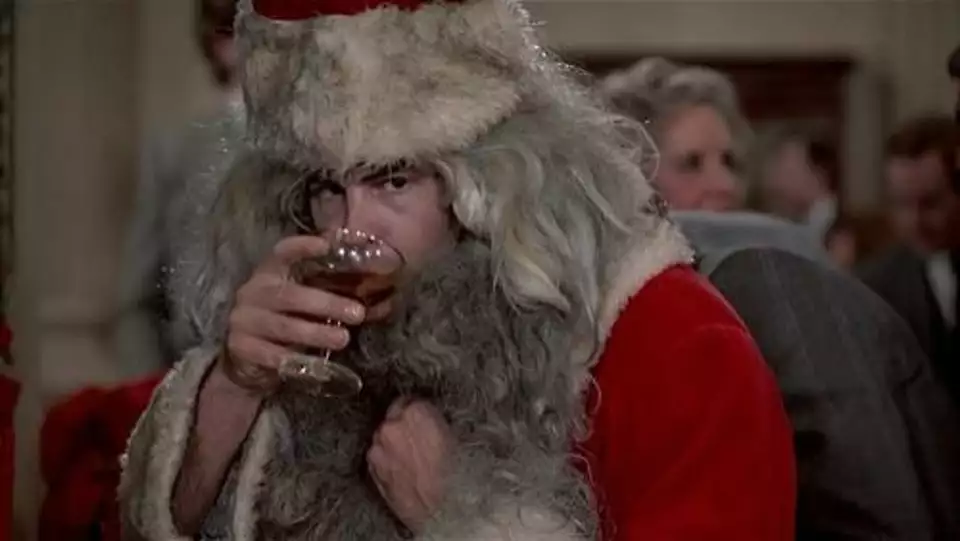
Trading Places is one of the great American comedies, and its entire premise is rooted in Christmas. Two obscenely wealthy brothers wager that a person’s success or failure is determined entirely by environment and opportunity rather than character. To prove their theory, they orchestrate a cruel social experiment, swapping the lives of a privileged executive played by Dan Aykroyd and a street hustler played by Eddie Murphy.
The film leans heavily into Christmas imagery and seasonal economics, from Murphy’s character pitching a holiday toy to the company, to one of its most iconic scenes featuring Aykroyd in a filthy Santa suit. Beneath the jokes is sharp commentary on class, capitalism, and how easily the system discards people once their status is stripped away. It is hilarious, cutting, and far darker than most holiday comedies, which is precisely why it still resonates.