Genre: Drama, Musical
Directed by: Hugo Salvaterra
Starring: Clemente Chimuco, Eliane da Silva, Claudia Pucuta
Release Date: TBD – Premiered at 55th International Film Festival Rotterdam
Platform: TBD
Star Rating: 3.5/5
By Bryce Payne
“What do you feel when the pen touches the paper… freedom.”
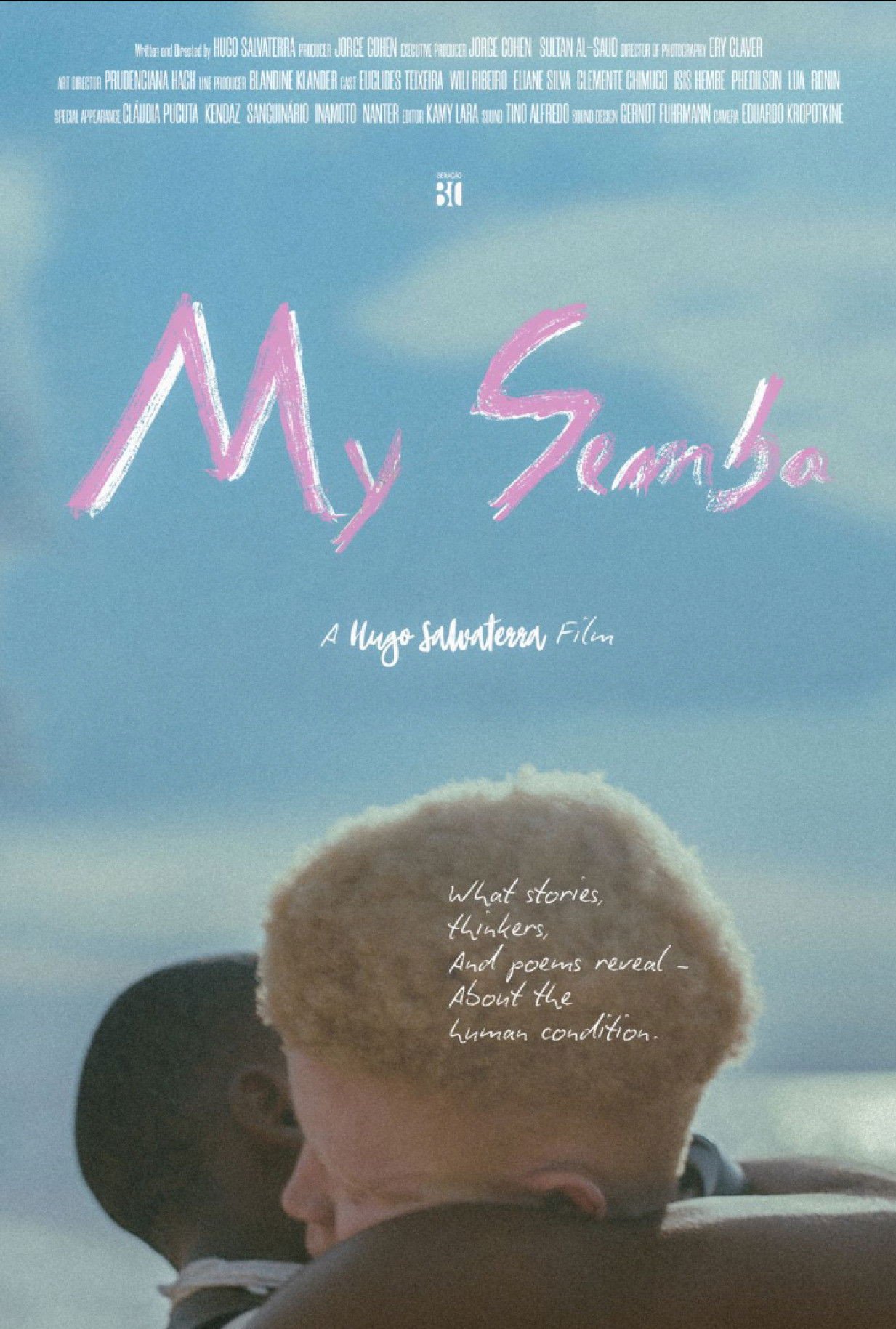
Art’s an escape, a way to push back against the grind of daily life and the weight society puts on us. That idea sits at the core of MY SEMBA, the latest film from Hugo Salvaterra, which premiered at the 55th International Film Festival Rotterdam. Set in Luanda, the film follows three siblings trying to find their footing, in a city that feels as overwhelming as it does alive. From the jump, it’s clear this isn’t a conventional character drama but something more fluid, more expressive, and at times more challenging.
Raised in an orphanage, X, Lele, and Maria move through life carrying different burdens but sharing the same sense of suffocation. Each turns to art, in their own way, using it as both an outlet and a means of survival. The film structures their journeys in an almost anthology-like fashion. The story separates their paths, constantly drawing thematic parallels and leading them back together for conversations and comparisons on their ideologies.
X stands at the center. As a young albino man, he’s already pushed to the margins before he even speaks. His struggle lies between faith and expression, but it’s through poetry that he finds his voice. Moving through Luanda’s underground slam scene, his words hit with a mix of personal reflection and political urgency. His performances don’t just tell you who he is, they show you how he sees the world around him. There’s a quiet belief running through his arc that words can actually shift something, even if that change starts small.
Lele, on the other hand, spirals in the opposite direction. Losing his faith, he gravitates toward the city’s criminal underbelly, convinced that the only way forward is to take what hasn’t been given. His worldview clashes hard with both X and the priest who once grounded him, leading to confrontations that carry real emotional weight. Where X looks inward and upward, Lele lashes outward, and that tension becomes one of the film’s strongest throughlines.
Maria’s story is more restrained but just as impactful. Working as a maid at a high end hotel, she’s constantly diminished by the people around her. Her gender, her job, her place in the social hierarchy all become tools used against her. She’s told how to present herself, how to behave, and forced to endure a steady stream of disrespect that builds into something quietly devastating. Her arc doesn’t explode, it simmers.
What ties all three together is art. Whether it’s spoken word, movement, or even the act of preparing food, there’s a shared need to create, to express, and to reclaim some sense of identity. The first hour of MY SEMBA really leans into this, giving each character room to breathe, while building towards something larger. The music plays a huge role here, pulling everything together with an almost hypnotic rhythm. It blurs the line between performance and reality, making the city itself feel like part of the composition.
As the film moves forward, the narrative starts to loosen, leaning harder into its vignette-like structure. Certain threads feel rushed or pushed aside, in favor of the next poetic sequence, and you can feel the film stretching to hold all its ideas at once. Still, that rawness works in its favor more often than not. Luanda comes alive through these fragmented moments, filled with faces and spaces that feel lived in, creating a vivid portrait of both repression and resilience.
Ultimately, MY SEMBA plays like an audiovisual manifesto, where expression takes priority over clean storytelling. It’s less concerned with tying everything together neatly, and more focused on letting its voices be heard. That approach gives the film a distinct identity, even when it risks losing narrative clarity along the way.
MY SEMBA is messy, passionate, and deeply personal. It won’t connect with everyone, especially those looking for a more traditional structure, but there’s no denying the energy behind it. Salvaterra crafts something that feels urgent and alive, a film that speaks as much through rhythm and imagery as it does through story. It’s an experience that lingers, even when its edges feel rough.